The Opera Game: Paul Morphy's Masterpiece Against the Duke of Brunswick
Morphy vs. Duke of Brunswick and Count Isouard, Paris Opera 1858. White sacrificed a bishop, a rook, and delivered checkmate in 17 moves against two opponents consulting together. The most famous casual game in chess history, played in a box at the Paris Opera.
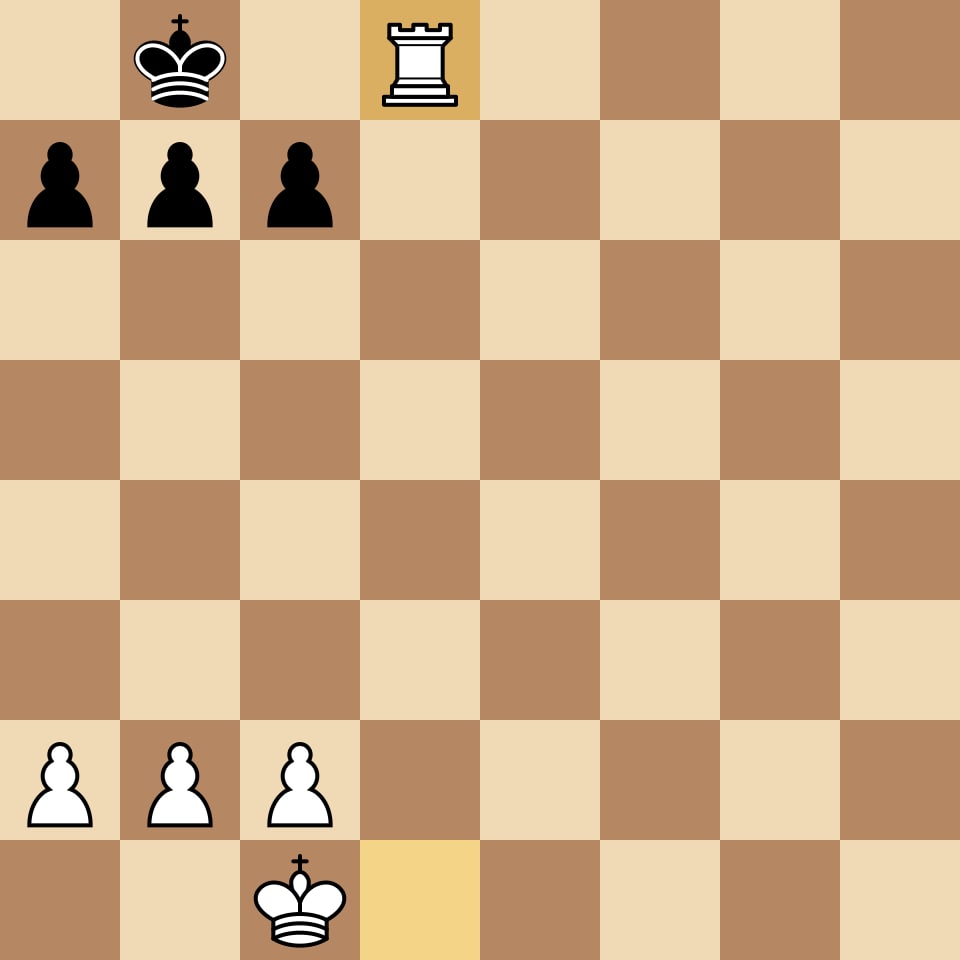
The Opera Game was played in a box at the Paris Opéra in 1858. Paul Morphy, the strongest chess player of his era, was attending a performance of Il barbiere di Siviglia when the Duke of Brunswick and Count Isouard, two amateur chess enthusiasts, invited him to play a casual game. The two opponents consulted together on every move. Morphy won in 17 moves with a rook sacrifice on move 13, a queen sacrifice on move 16, and checkmate on move 17.
It is the most famous casual game in chess history. More people have studied this game than any professional tournament game of the 19th century. Because the principles it demonstrates — rapid development and attacking the uncastled king — are the foundation of how chess is taught to beginners.
The game
White: Paul Morphy. Black: Duke of Brunswick and Count Isouard (consulting).
Morphy plays the Philidor Defense structure out of 1.e4 e5, then tears it apart. By move 9 he has every piece active, Black hasn’t castled, and the d-file is open. The rest is a forced mating attack built on two sacrifices: a rook and then his queen.
16.Qb8+!! — the queen flies into Black’s back rank. After 16…Nxb8, the knight that was guarding d8 is gone. 17.Rd8# is checkmate. Two opponents consulting together, and they couldn’t find a defense.
Morphy White Duke of Brunswick & Count Isouard Black


Why it works
Every Morphy move follows one principle: develop rapidly and attack the uncastled king. Black’s position at the end shows exactly what happens when those principles are violated.
Move 3 (3…Bg4): Black develops the bishop but pins the f3 knight. Morphy immediately breaks the pin (4.dxe5) and captures the bishop (5.Qxf3), trading Black’s only developed piece. Black is now behind in development.
Move 9 (9…b5): Black tries to attack Morphy’s bishop on c4 with a pawn. Morphy ignores the threat and sacrifices the knight on b5 (10.Nxb5). Two pieces are hanging, but Black’s king hasn’t castled. Morphy’s bishops are now aimed at the uncastled king.

Moves 12–17: Morphy doubles rooks on the d-file. The sacrifice sequence: rook takes knight (13.Rxd7), other rook comes to d1 (14.Rd1), bishop takes the other knight with check (15.Bxd7+), queen sacrifice to deflect the knight from the back rank (16.Qb8+), and Rd8 checkmate.
The combination is forced once Black’s pieces are all on the back two ranks. But it required Morphy to calculate correctly from move 10 onward, sacrificing two pieces before he had the mating position in sight.
Paul Morphy and the Opera Game’s legacy
Morphy (1837–1884) was the dominant player of his era. He visited Europe in 1858, played every strong player he could find, and demolished all of them. Then he retired from chess at 21, having proved whatever he was trying to prove. The Opera Game is the most studied of his games because it’s short, instructive, and the combination is clear enough for beginners to follow.
The game is used in chess instruction worldwide as the clearest demonstration of development principles: get your pieces out, don’t move them twice, attack the uncastled king. The Duke and Count broke every rule; Morphy punished every violation precisely.
Frequently asked questions
Who played the Opera Game? Paul Morphy (White) against the Duke of Brunswick and Count Isouard consulting together (Black), at the Paris Opéra in 1858 during a performance of Il barbiere di Siviglia.
How many moves is the Opera Game? 17 moves. White delivers checkmate with Rd8# after a bishop sacrifice, a knight sacrifice, a rook sacrifice, and a queen sacrifice.
Why is the Opera Game famous? Because it illustrates the foundational principles of attack chess (rapid development, targeting the uncastled king, piece sacrifice for positional compensation) in a clear, short game anyone can follow.
Sources
- Sergeant, Philip W. Morphy’s Games of Chess. Dover, 1957.
- Hooper, David, and Kenneth Whyld. The Oxford Companion to Chess. Oxford University Press, 1992.
- Opera Game (1858), Lichess study (PGN source)
- Fischer, Bobby. My 60 Memorable Games. Batsford/Pavilion. (affiliate)
Sources
- Sergeant, Philip W. Morphy's Games of Chess. Dover, 1957.
- Hooper, David, and Kenneth Whyld. The Oxford Companion to Chess. Oxford University Press, 1992.
- Opera Game (1858) — Lichess study (PGN source)
Further reading
- My 60 Memorable Games — Bobby Fischer — ASIN verified via Open Library 2026-05-02. Fischer's annotated collection is the natural companion to studying classic games like the Opera Game, demonstrating how attacking principles carry forward across eras.
- Logical Chess: Move by Move — Irving Chernev — ASIN verified via Open Library 2026-05-02. Chernev's annotated games show how Morphy's development principles (pieces out, center, king safety) apply to every era of chess.